

Finance
Show Me The Money
Ally or Enemy
The Good, The Bad, & The Ugly of Optimizing Profitability
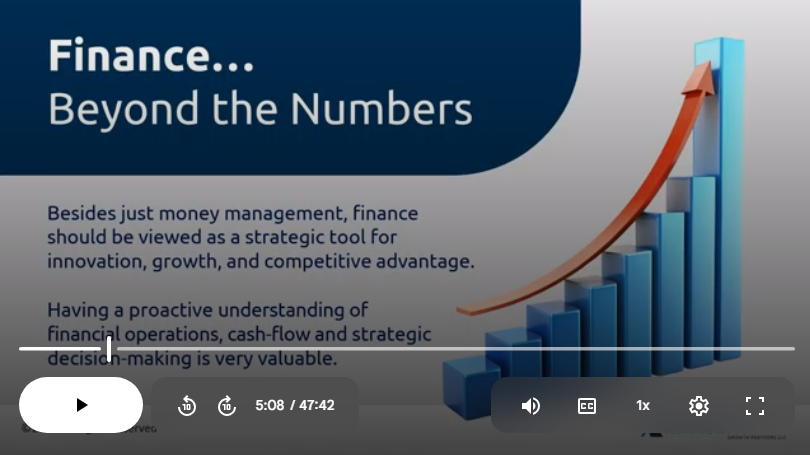
Finance Ally or Enemy
Watch The Finance Masterclass Now.
Besides just money management, finance should be viewed as a strategic tool for innovation, growth, and competitive advantage. Ensures accuracy, consistency, and reliability in financial operations.
SHOW ME THE MONEY

THE FINANCE PLAYBOOK
A STEP-BY-STEP GUIDE FOR FINANCE
This guide outlines a step-by-step approach to mastering financial strategy, helping business leaders turn financial management into a growth enabler rather than a constraint. Whether you’re an entrepreneur, consultant, or business executive, these steps will provide actionable insights to optimize cash flow, increase profitability, and build a financially sound company.
The Finance Advantage
Mastering Finance: Strategies for Growth and Resilience
Finance is often perceived as the art of balancing numbers and ensuring that budgets align. However, for entrepreneurs and small B2B businesses, finance extends far beyond these basics, acting as a strategic enabler that guides sustainable growth, informed decision- making, and risk mitigation. Understanding finance as a tool rather than a constraint shifts how business leaders can harness financial insights for competitive advantage.
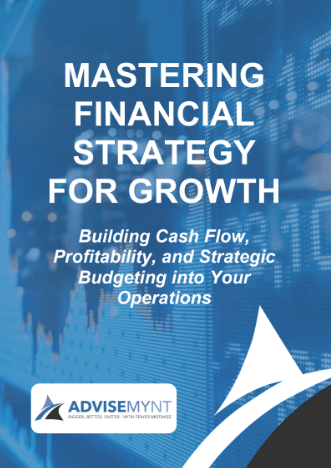
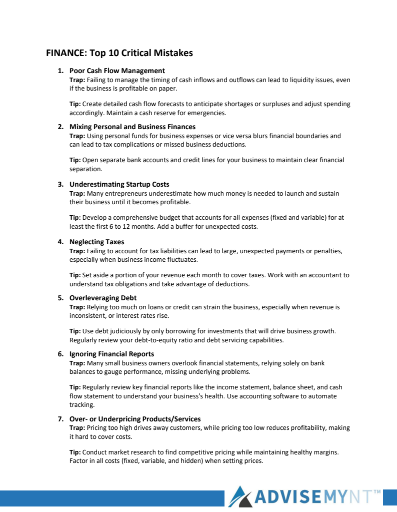
Finance DO'S & DON'T'S
Finance ARTICLES
The Importance of Pricing in B2B Markets
One of the most common pricing models in B2B markets is cost-plus pricing, where businesses calculate the cost of production and add a markup to ensure profitability. While this method ensures that costs are covered, it may not fully capture the value the product or service provides to customers, especially if competitors offer similar solutions at lower prices. For businesses operating in highly competitive markets, relying solely on cost-plus pricing can limit profitability and leave little room for innovation.
The Income Statement
For example, B2B owners might use the income statement to evaluate gross profit margins to ensure that their product pricing strategies are not eroding profitability. Understanding whether operational expenses, such as marketing, labor, or materials, are being managed efficiently also becomes apparent in the income statement. By continuously reviewing these metrics, business owners can pinpoint where adjustments need to be made to maintain or improve profitability.
Funding Strategies for Small and Medium B2B Owners
Securing the right funding is often a critical challenge for small and medium-sized B2B businesses. Whether funding is needed for expansion, product development, or managing cash flow during periods of low revenue, choosing the appropriate financing strategy can make or break a business’s long-term success. This article explores the different funding options available to B2B owners and how to navigate the complexities of debt, equity, and alternative financing methods.
The Role of Compensation in Attracting and Retaining Talent
In industries where skilled labor is in high demand, offering a competitive base salary is essential for attracting top talent. B2B businesses that fail to offer competitive pay may struggle to hire qualified employees, which can hinder productivity and growth. To stay competitive, businesses should regularly benchmark their salaries against industry standards and adjust pay scales as needed to remain attractive to potential employees.
Why Budgeting is Essential
Budgeting is an indispensable financial tool for small and medium-sized B2B businesses. It not only provides a roadmap for managing cash flow and controlling expenses but also serves as a critical framework for planning long-term growth and sustainability. A well structured budget enables B2B owners to allocate resources efficiently, monitor their financial performance, and adjust strategies in response to changing market conditions. This article explores why budgeting is vital for B2B businesses and provides insights into how to develop and maintain an effective budget.
Why is Accounting Important for B2B Owners?
Accounting goes beyond mere bookkeeping; it encompasses a systematic process of tracking and analyzing financial transactions, which in turn generates the crucial financial reports businesses rely on for strategic planning. Income statements, balance sheets, and cash flow statements are indispensable tools for making informed decisions, tracking profitability, and planning for growth.